

-
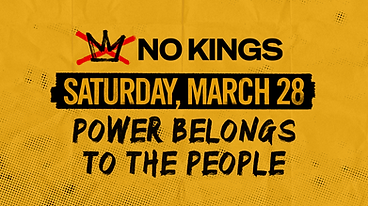
DRAKE PARK RALLY 1-2PM (Indivisible Bend)
-
MARCH TO PEACE CORNER 2PM
noisemakers-music-protest art
-
PROTEST+MUTUAL AID EXPERIENCE 2:30-4pm
local groups-resource sharing-education
March Details
Joy is resistance! Push back! Bring your drums, voices and artistic spirits to join 50501 Central Oregon for our march to Peace Corner. Dance teams, singing groups, puppets, costumes, trombones, trumpets, accordions--all forms of tactical frivolity are encouraged! Claim your power! Joy as resistance!
The march will start at 2pm in Drake Park following Indivisible Bend's rally from 1-2pm. We will march to Peace Corner for a protest and mutual aid experience from 2:30-4pm
Thank you to our partners


Thank you to our mutual aid collaborators
Come visit their tables at Peace Corner, learn about mutual aid, plug into groups that you may align with and consider bringing needed donations:
-
Clothing
-
Blankets
-
Camping gear
-
Shelf stable foods
-
Kitchen wares
-
Hygiene products
-
Etc

.png)

Central Oregon Harm Reduction
Mutual Aid Details
Join 50501 Central Oregon in a collaborative experience of mutual aid--a recognition and response to the knowing that all of our health and wellbeing is interconnected and that surviving and thriving comes from cooperation not competition. Minnesota has given us many examples of mutual aid for these times and we recognize the benefit and importance of supporting and expanding existing local mutual aid networks to meet the needs of people when government-operated systems fail.
50501 Central Oregon invites you to begin learning about and participating in existing local mutual aid efforts at No Kings 3. Please bring any clothing, blankets, camping gear, shelf stable foods, kitchen wares, hygiene products, etc, to be redistributed through existing mutual aid networks. Existing local mutual aid networks will be on-site to collect donations for redistribution to marginalized members of our community.
Mutual aid provides access to interactions with and support from marginalized communities. It’s critical to remember that privilege doesn't vanish in mutual aid spaces. Participation in mutual aid often takes privileged white people into spaces where their primary objective is never to lead. It is to learn.
Mutual aid efforts should result in sustainable and ongoing commitments. The goal should be forming groups of people who can build trust and communication with those they wish to impact, and then build genuine relationships within those groups. Body language, facial expressions, tone and method of communication should always be at top of mind in these spaces so as not to inflict harm.
Mutual aid does not mean free labor. Organization of community events that involve the participation of marginalized people for performance, education, or any other type of labor needs to involve compensation. Mutual aid is MUTUAL.
According to Dean Spade, author of “Mutual Aid”, there are 3 key elements of mutual aid:
1 Mutual aid projects work to meet survival needs and build shared understanding of why people don’t have what they need.
2 Mutual aid projects mobilize people, expand solidarity, and build movements.
3 Mutual aid projects are participatory, solving problems through collective action rather than waiting for saviors.
Mutual aid is a survival strategy that has been practiced for centuries. Historically, mutual aid has resulted from marginalized groups being excluded from accessing resources. Their communities had to find ways to survive by trading resources, trading labor, protective services etc.
Indigenous communities have practiced mutual aid for millennia based on the interconnectedness of people and the earth. Crisis response mutual aid programs spike as a result of people feeling abandoned by the state. Examples of state abandonment include the 1980s AIDS crisis, the COVID-19 pandemic, hurricane Katrina, the tragic 2025 Camp Mystic flood, the 2020 Santiam Fire, and many more.
The most famous example of mutual aid in the US is the Black Panther Party’s survival programs during the 1960s and 70s that included free breakfast, free ambulances, free medical clinics, free shuttle programs for the elderly, and community educational programs.
Some examples of local mutual programs today include:
• rapid response/ICE verification networks
• projects made possible by Bend Equity Project, Redmond Street Kitchen, Mutual Eggs, and Central Oregon for Socialism that provide meals, clothing, household goods, and harm reduction services
* Central Oregon Earthseeds is mutual aid group led by women of color who are dedicated to providing mutual aid, connection, solidarity, preparation, and opportunity to those navigating life in our communities
* Central Oregon Peacekeepers is an anarcho-journalism group that conducts and publishes research on right-wing extremist groups, rallies, and individuals
• Portland-based Warm Springs Water Coalition that coordinates with Warm Springs Tribal Emergency Management to provide drinking water to the reservation
Other forms of mutual aid can include long-term commitments to provide (but only when there is no cost, membership, or any other barrier to access):
• free childcare, transportation or prescription drug pick up
• free food pantries
• free community fridges
• tool lending libraries
• free educational programs
• free brakelight/headlight repair clinics
• bail funds
• rent funds
• seed banks/community gardens
• community-run clinics
• needle exchange programs
• mental health support groups
• disaster response
• community safety/de-escalation teams
• really, really free markets
Given these examples of mutual aid, we invite you to consider what resources you might have that could be offered to help others overcome social, economic or environmental challenges. What support may you also need now or in the future? Anything from childcare to graphic design, safe driving skills to tech support, cooking to translating.
What is mutual aid video
--definition and description of mutual aid a collaborative effort between 50501CO, Central Oregon for Socialism, Bend Equity Project, Redmond Street Kitchen, Mutual Eggs, Josie Stanfield and Luke Richter, we thank them all for their input and experience